New UK border rules for dual nationals: Pointless Brexit bureaucracy
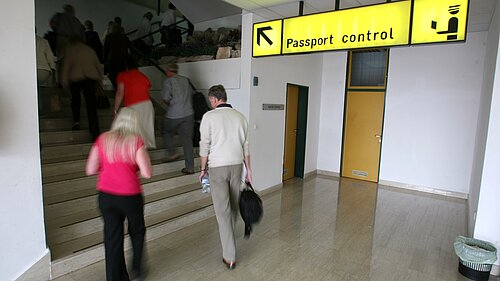
The new rules are set to come in on Wednesday, amid scores of complaints from British people living or travelling abroad who have suddenly found themselves at risk of not being allowed into the UK.
From 25th February, everyone travelling to the UK will need some sort of permission to travel, unless they are a British or Irish citizens or are otherwise exempt. Visitors for short stays must apply for an Electronic Travel Authorisation that costs £16.
But dual nationals will, for the first time, be forced to show their British passport to travel to the UK or pay a whopping £589 for a “certificate of entitlement” to attach to their second nationality passport to board a flight, ferry or train to Blighty. Predictably, a weeks-long backlog is in already in place.
Although the Home Office currently allows dual nationals to travel to the UK with an expired British passport, many people don’t have this, as they had been using their non-British passport to travel in and out of the country. To apply for British passport, you need to send in your other passport to the Home Office and wait for a response. This could take weeks, often more than a month, for the civil service to assess youryou application and return your passport, leaving you unable to travel that entire time.
Another issue is that many countries don’t allow their citizens to hold two passports, e.g. Spain. This means that a Spanish person would have to renounce their Spanish nationality if they wanted to travel to the UK unencumbered.
Not only does the ‘certificate of entitlement’ exclude translation fees of all official documents, but the rules are discriminatory as well. Women from countries that require maiden names on their non-British passports will have to satisfy the UK’s ‘name-match’ rules on all official documents, increasing costs further with name change applications.
Inevitably, this has serious consequences for EU nationals. Europeans who had previously been able to travel to BritainBritian on their EU passports now risk being both ‘locked in’ or ‘locked out of’ their own country. Examples include both EU and non-EU nationals based in Britain who can’t visit loved ones back home.
The Liberal Democrats stand against these draconian rule changes. Our values are defined by our pro-internationalist outlook, and we’ll consistently propose measures that cut bureaucracy and allow us to forge closer ties with Europe, our nearest and biggest market, and beyond. We’ve already called for the government to delay the rules.